Above: A baby diamondback rattlesnake.
Legality issues surrounding private venomous snake keeping and breeding vary from state to state. States like New Hampshire, Colorado, and Florida have heavy permit restrictions while others, like Virginia, the Carolinas, and Louisiana have fairly relaxed restrictions, relying more on the city and county level for regulation. The growth of the reptile hobby has contributed to previously unforeseen visibility safety issues for the hobby in the form of bites, escapes, and showboating on social media. On Sept. 5 Jeffrey Liebowitz’s newest Instagram video showed him handling his new baby Inland Taipan with his bare hands, a method commonly referred to as “free handling." The Inland Taipan is an elapid snake from Australia, widely considered to be the most venomous in the world. Shortly after making the video Jeff was bitten. Jeff’s bite came after a long history of similar videos demonstrating similarly risky behavior with other snake species, including cobras, rattlesnakes, and exotic vipers, utilizing handling techniques that are generally considered unsafe by experts. Jeff was hospitalized, his snakes were seized and euthanized. He’s taken no responsibility for his actions.
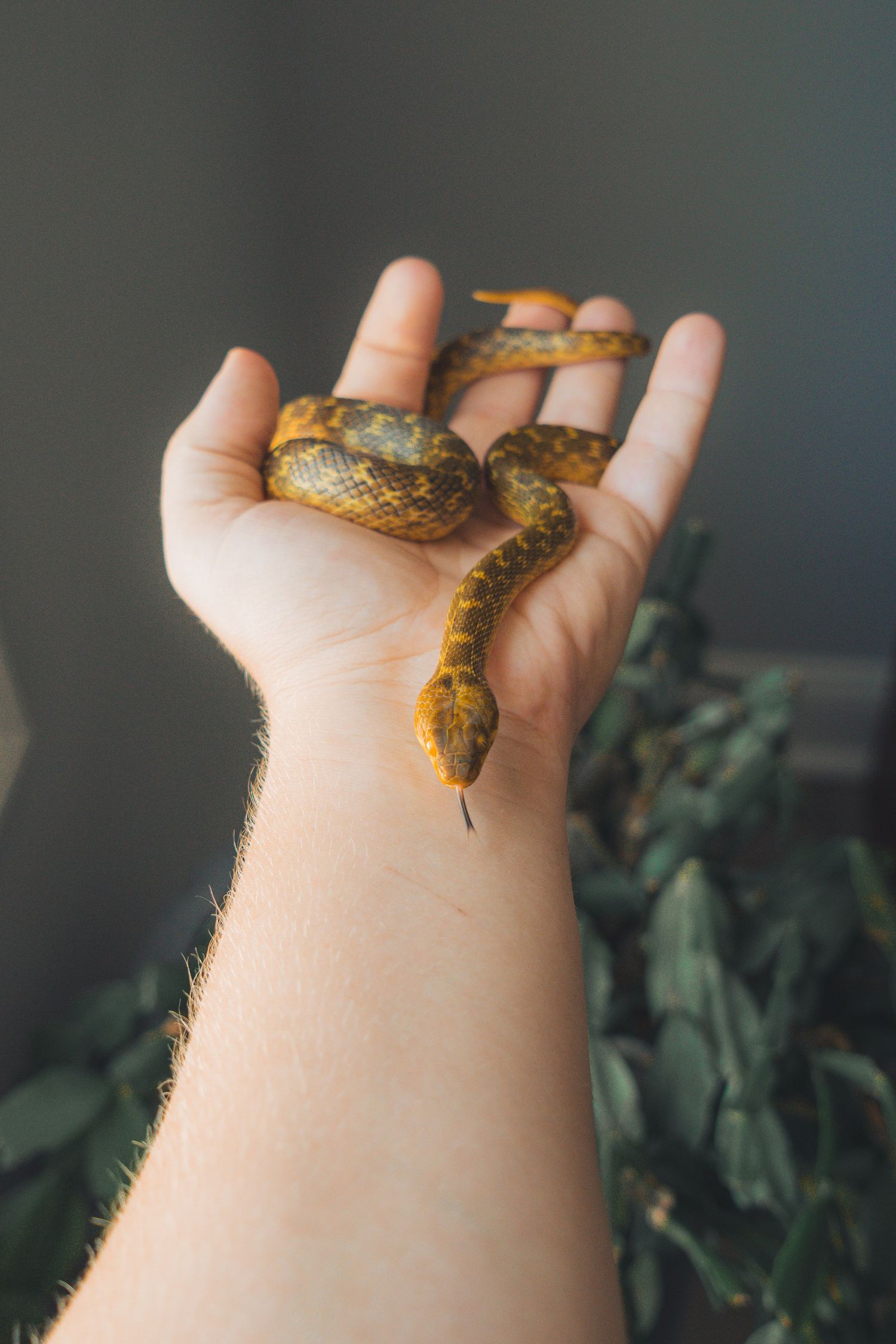
Above: My Malagasy cat-eyed snake, Daffy.
As a snake keeper myself, the incident was upsetting, and called into question the ethics of my own practices and those of people I respected. Although I don't personally keep venomous reptiles, doing so ethically, correctly, and safely is a practice that I've found fascinating as I've delved deeper into the reptile hobby. In the wake of Jeff's, and several other incidents, I needed to understand what drives someone to keep animals that could be potentially lethal in their own home, and the mechanisms by which the industry and community operate, in an effort to contextualize these events, and try to find an ethical middle ground between irresponsible snake keeping, and the outright bans now in place in several states.
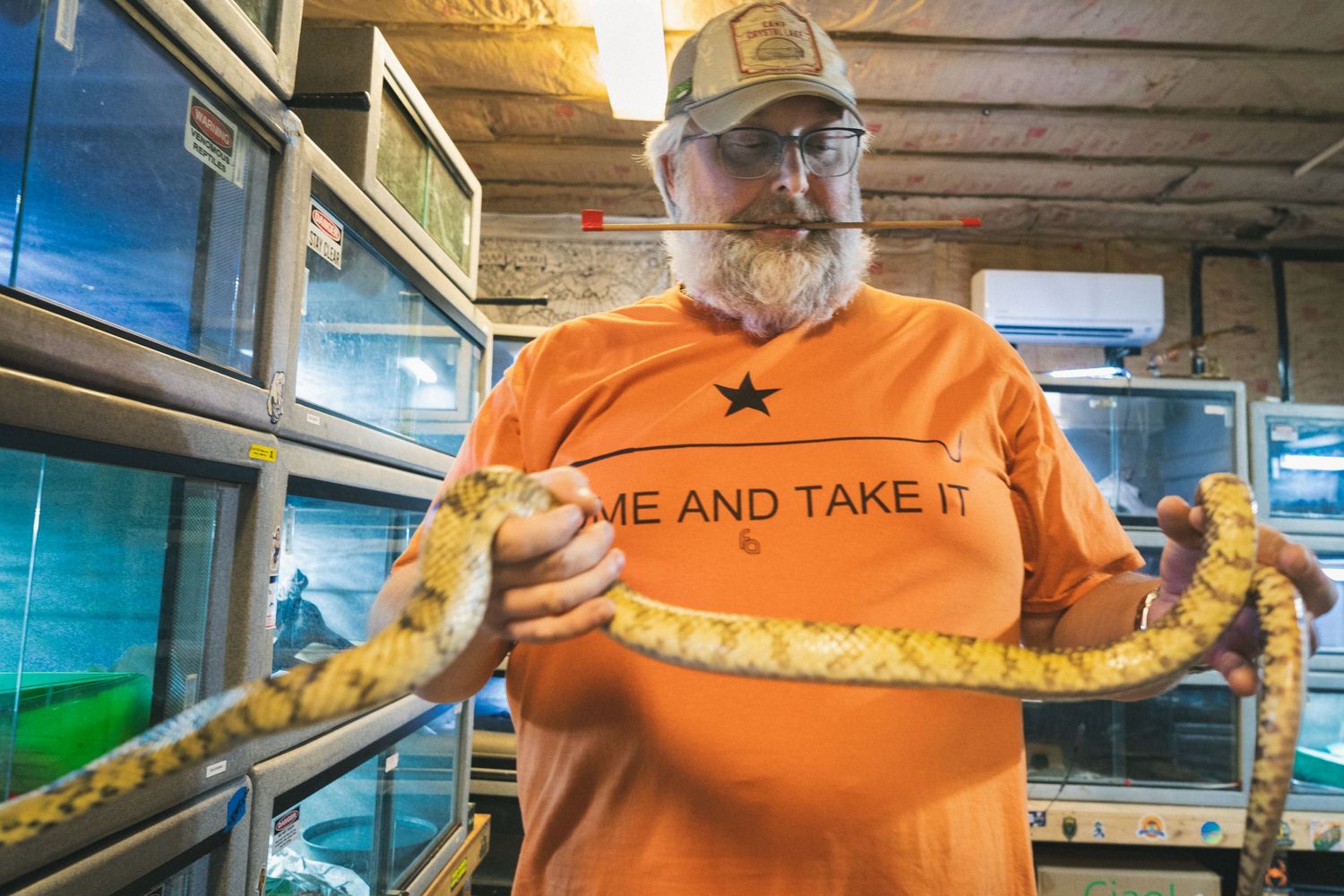
Left: Jared holding a false water cobra from his collection.
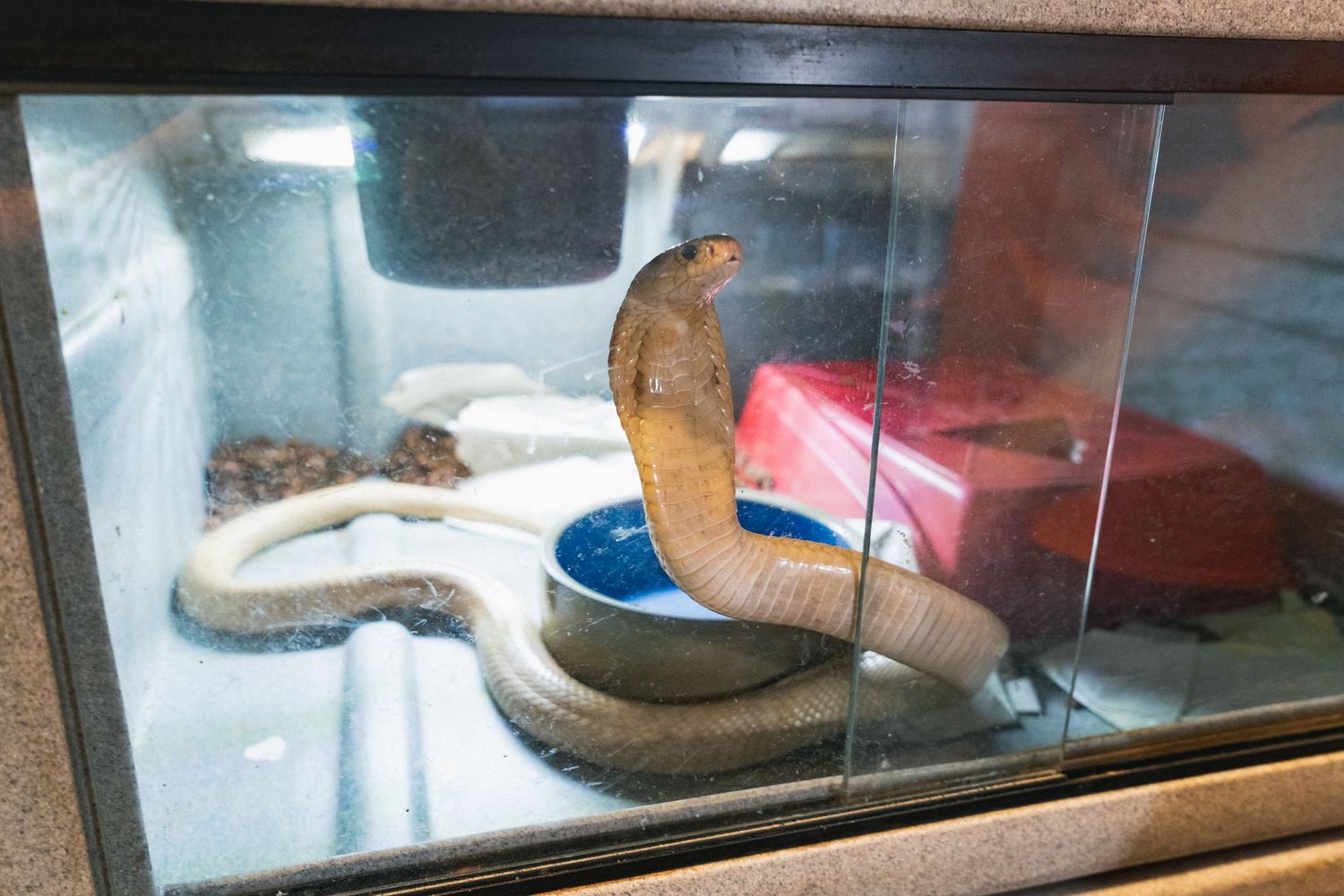
Right: Monocle cobra threat display
Jeff’s actions represent a very difficult problem, one that, according to Virginia Master Naturalist Jared Watts, creates division and contention in a community that is already fringe. “It’s just like any other business ... except the reptile business is full of crazy people.” According to Watts, the issue isn't so much with reptile keepers as it is with expo organizers. When organizers allow a minority of bad keepers to sell at events, the whole community suffers. At Watts' reptile room, I got a firsthand look at the correct methods for venomous reptile keeping. The room is part zoo, part collection, and part farm. There's a cement floor, racks of enclosures, and a large plastic tub in the center dominating the room with a gila monster enclosure.
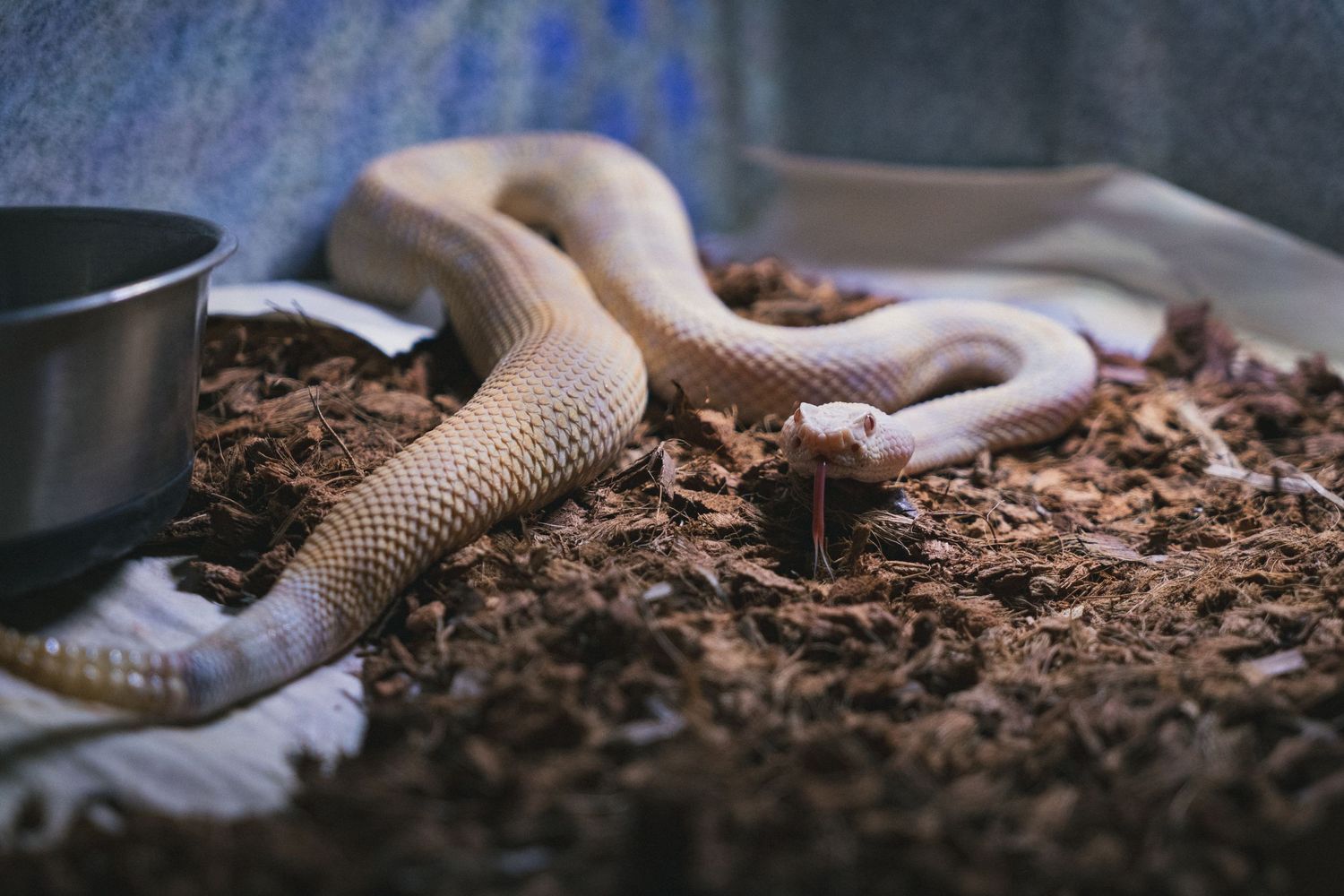
Above: Albino rattlesnake in Jared Watts' snake room.
On the surface it seemed haphazard but Watts explained the steps that many snake keepers fail to take. His animals are cycled with temperature and light. The enclosures are locked securely along with the main door, and safety is taken seriously. According to Watts, the issues are partially related to education, and partially to the sales structure of the hobby. He cited lack of self-policing and regulation, particularly within the expo structure. Although many reptiles are sold through pet shops, the majority come from public conventions in which breeders book tables and bring their latest animals for sale to the public. Some breeders, according to Watts, vet potential customers more than others.
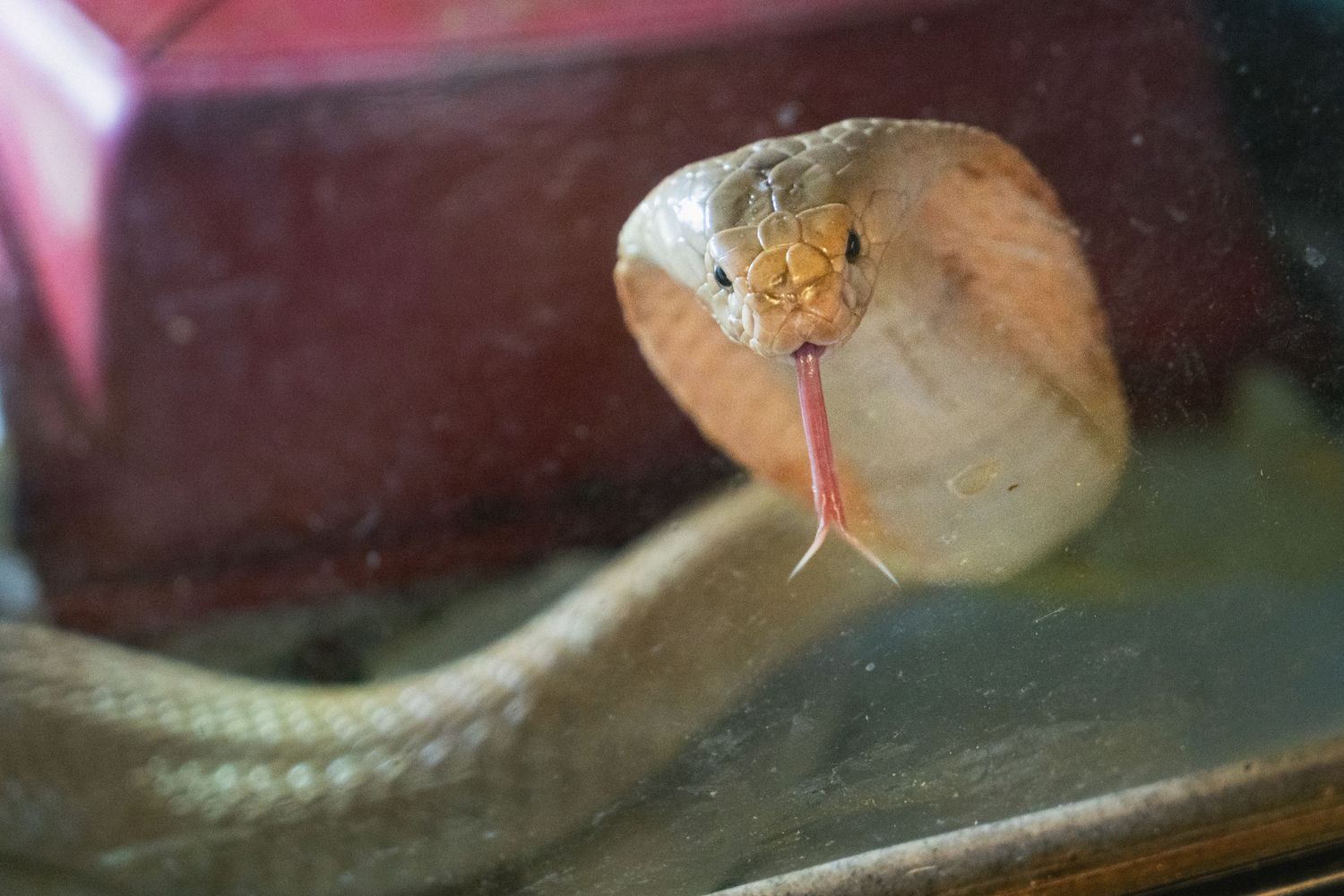
Watts also stressed the fact that the hobby appeals specifically to outcast communities who sometimes don’t do the required research and practice to understand the animals before making a purchase. “they’re synonymous with outcast communities, they’re a symbol.”
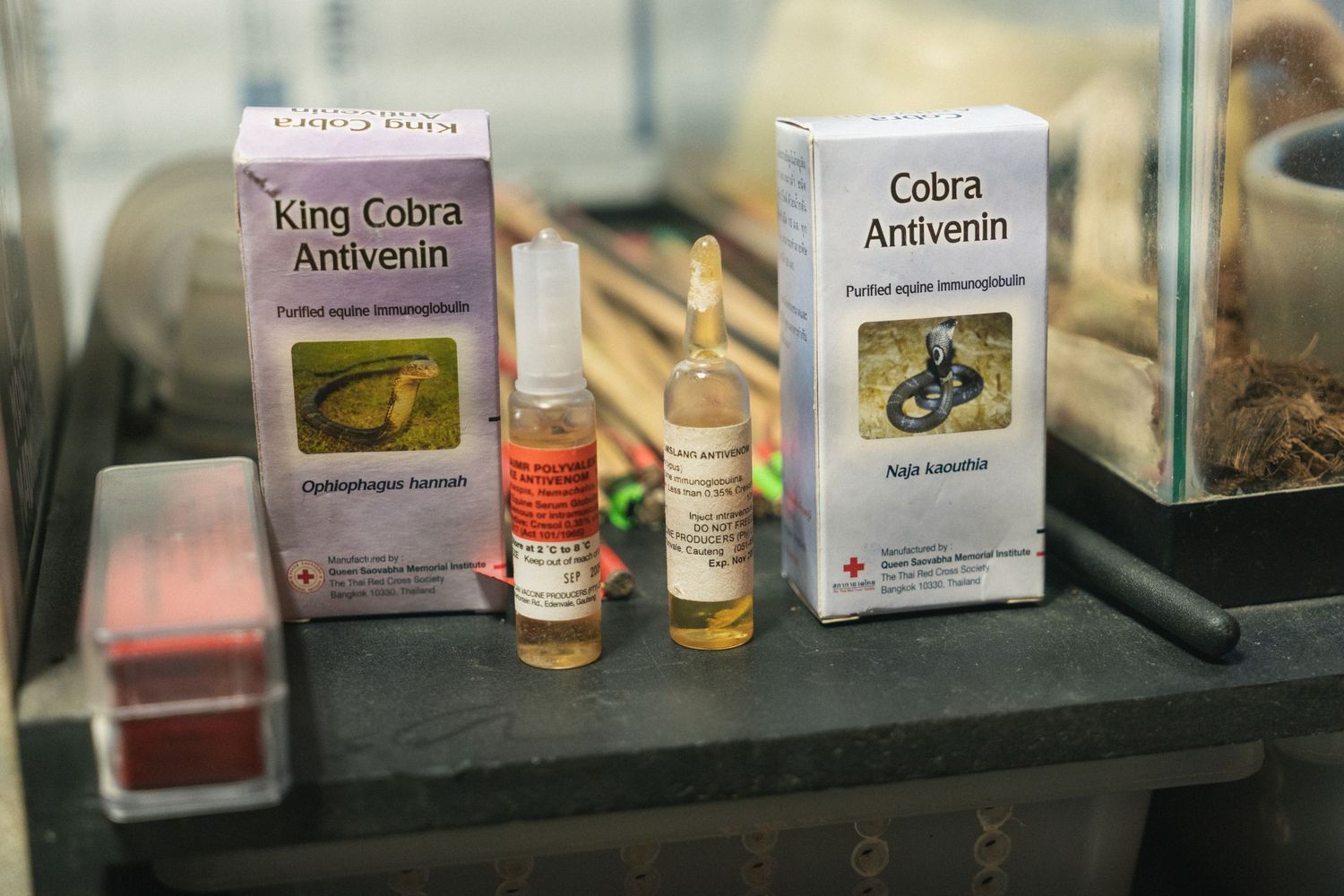
Left: Expired cobra antivenin from Jared Watts' collection.
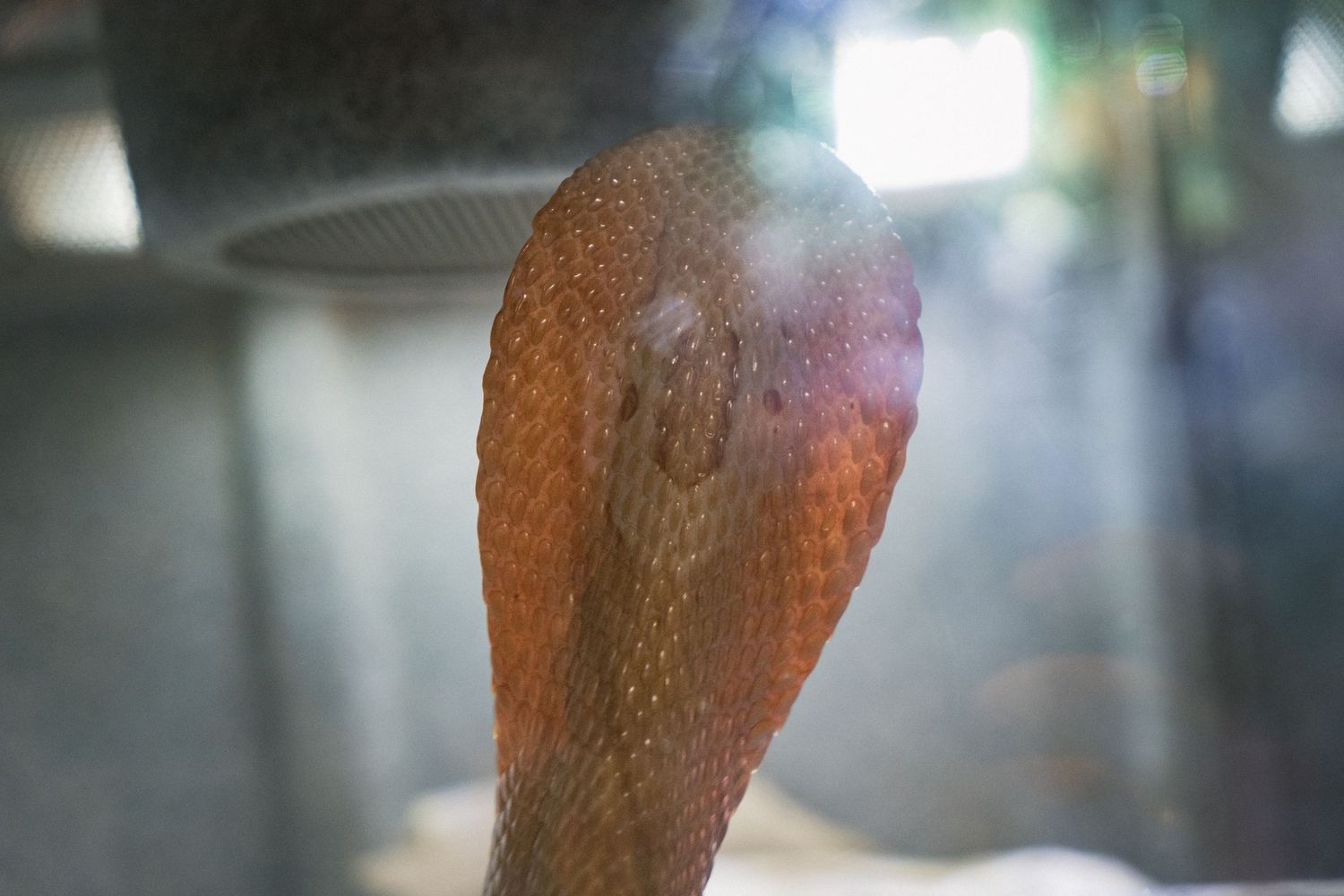
Center: The hood of a monocle cobra in Jared Watts' snake room during a threat display.
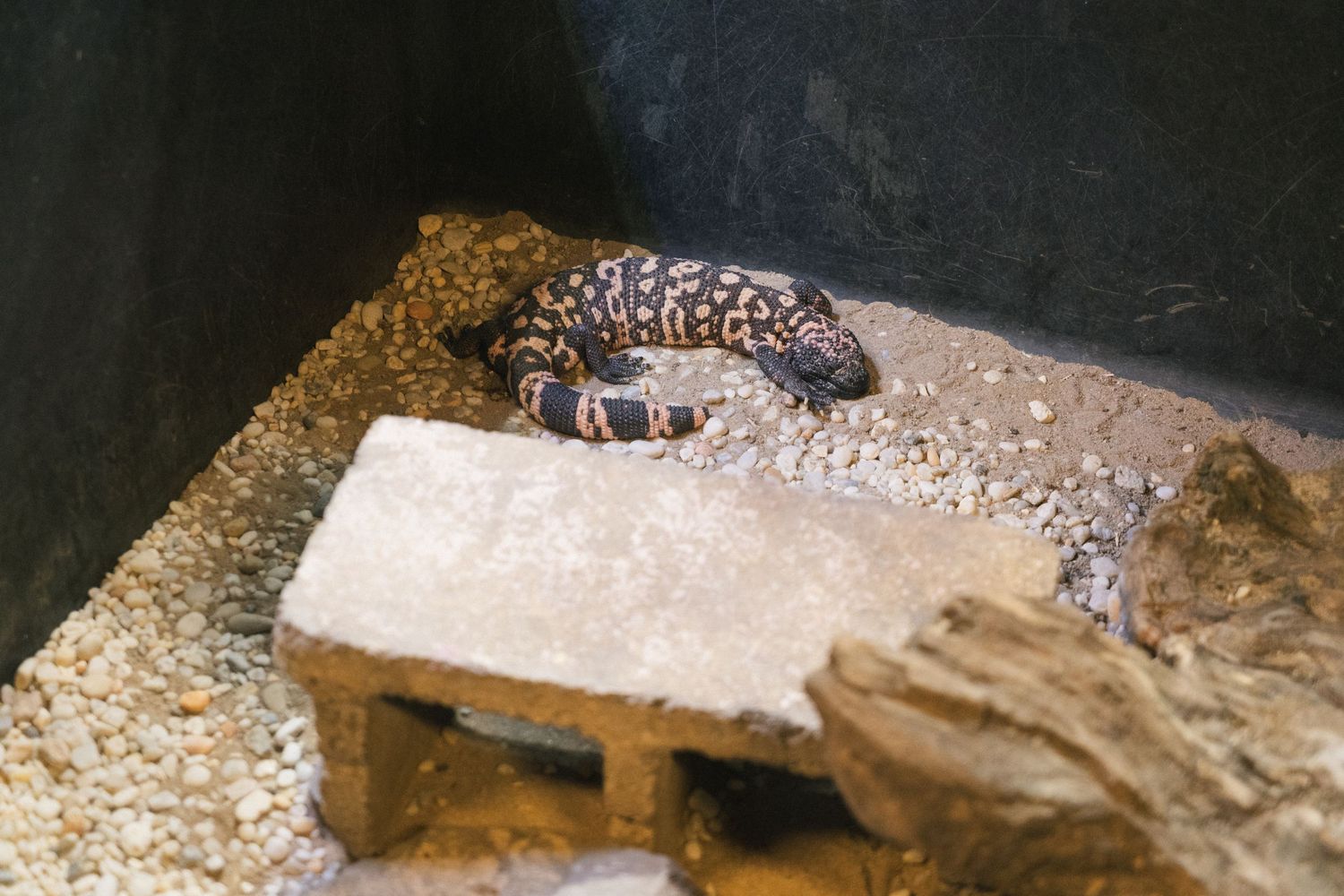
Right: One of Jared's several captive bred gila monsters.
James Seeverts who owns Pet Paradise in Virgina Beach discussed his frustrations with individuals like Leibowitz and the visibility of his behavior with his snakes. “It’s hard to wrap your head around for me because I understand people trying to get likes, they want to feel popular, but I have a hard time understanding who can watch it and follow it and think it’s a good idea... it’s no good when it happens. It’s sensationalism. It’s a black eye for the hobby.” Seeverts had several thoughts on the hobby self-regulating and the need for that to happen, discussing the ways in which he and his shop self-police, avoiding the sale of large constrictors that most people are not able to safely keep at home.
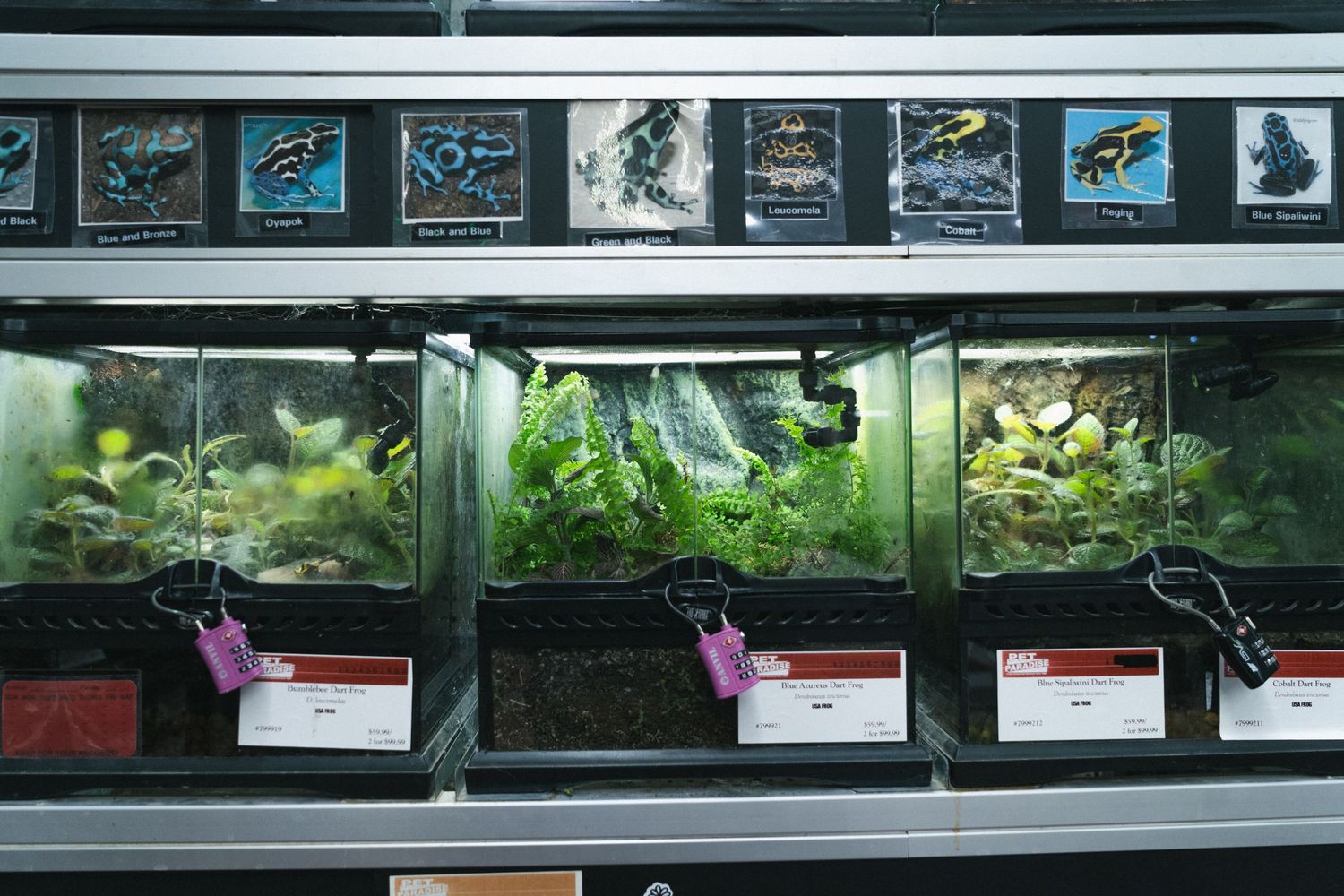
Above: Naturalistic enclosures containing poison dart frogs at Pet Paradise
“I just think people need to use a little self-awareness of what they’re good at, what they should and shouldn’t do. If you want to do something challenging like venomous, shadow someone that keeps it really well... there’s people who can put you through a program and make sure you do it right." The controversy according to Seeverts lies in what that looks like. With animals being kept in environments from plastic tubs, all the way to naturalistic bioactive landscapes, and by keepers of all demographics and knowledge levels, the question becomes a deeply ethical one, both for the safety of the keepers and the welfare of the animals.
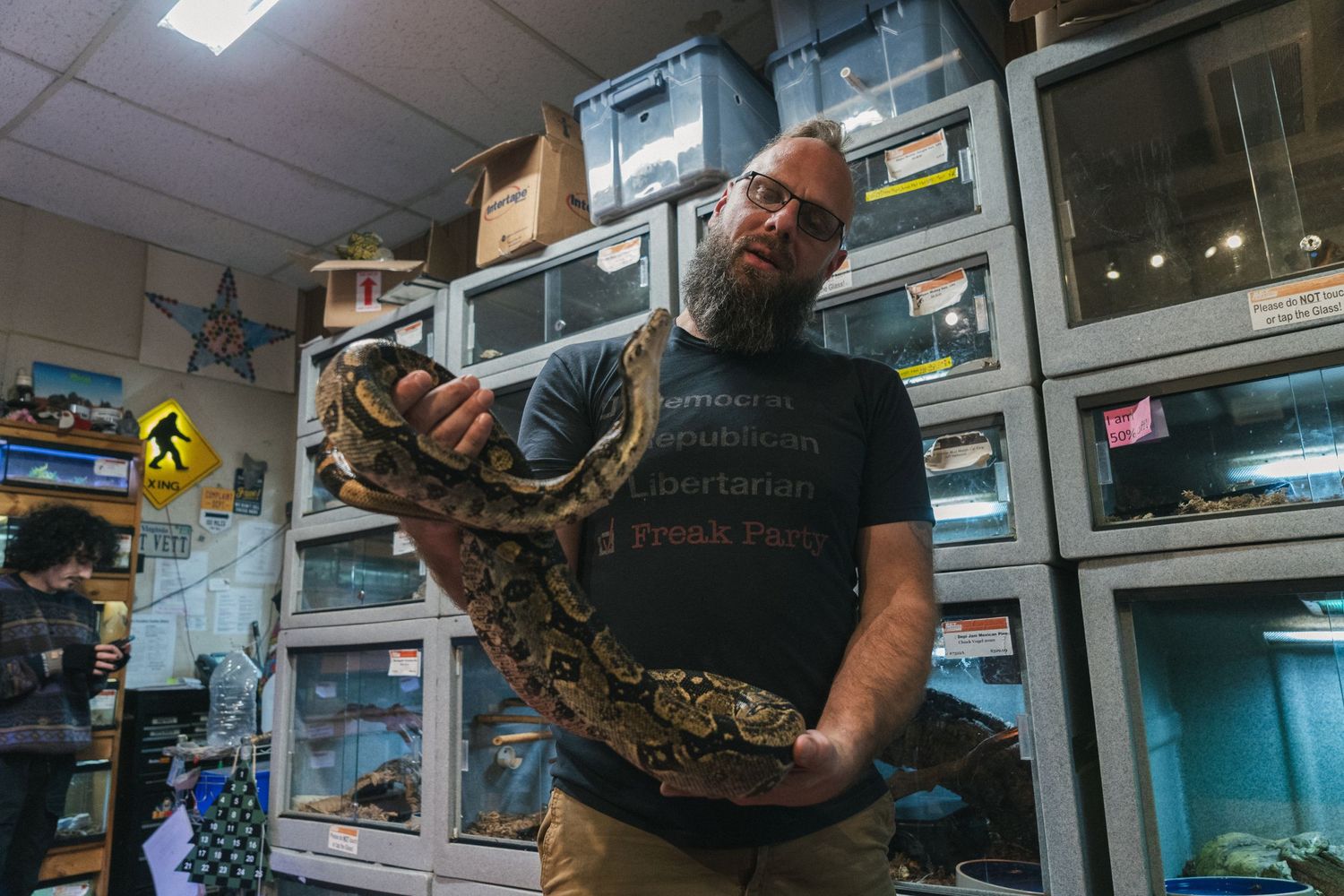
Left: James holding an adult boa on display at Pet Paradise
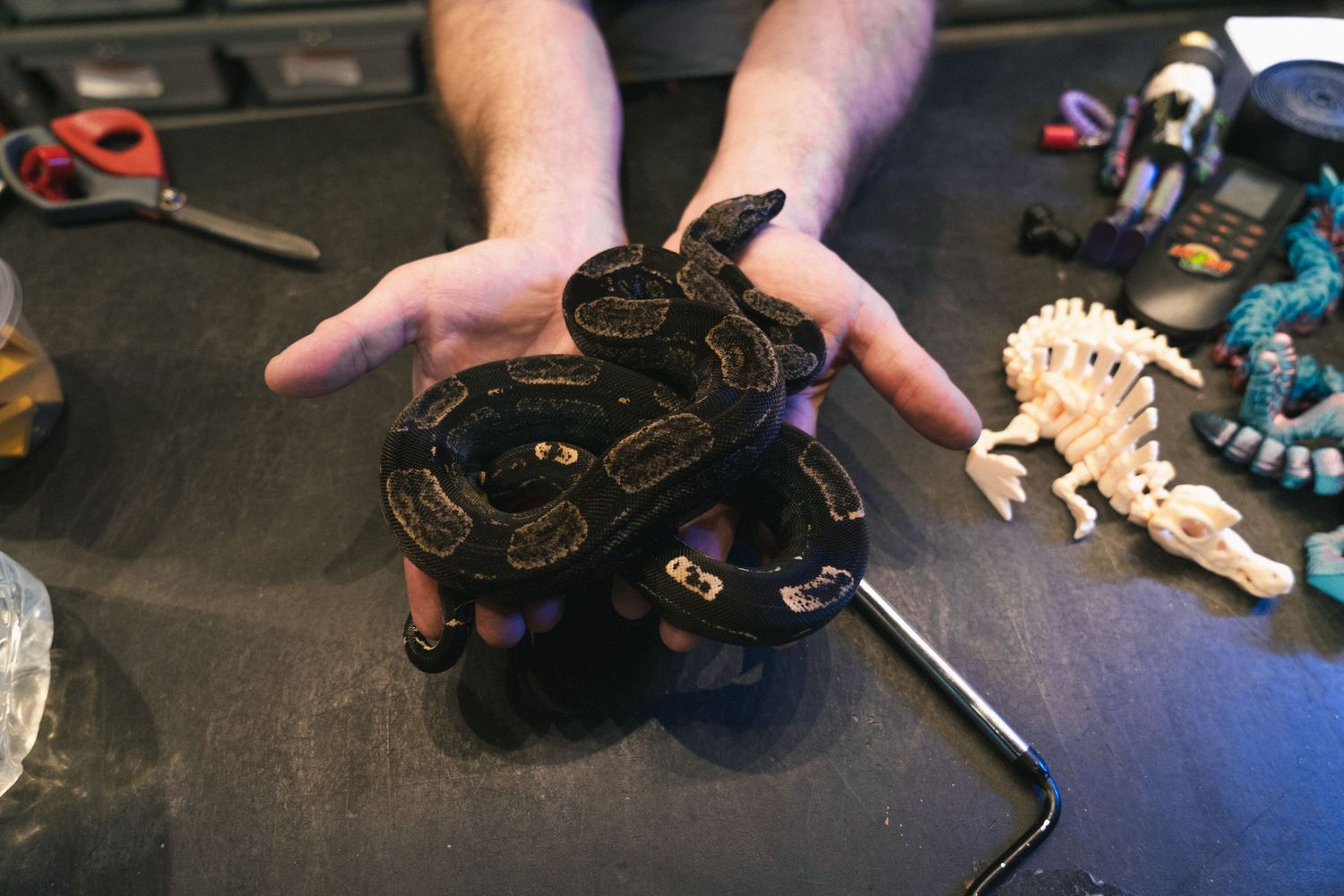
Right: James with a juvenile boa at Pet Paradise.